
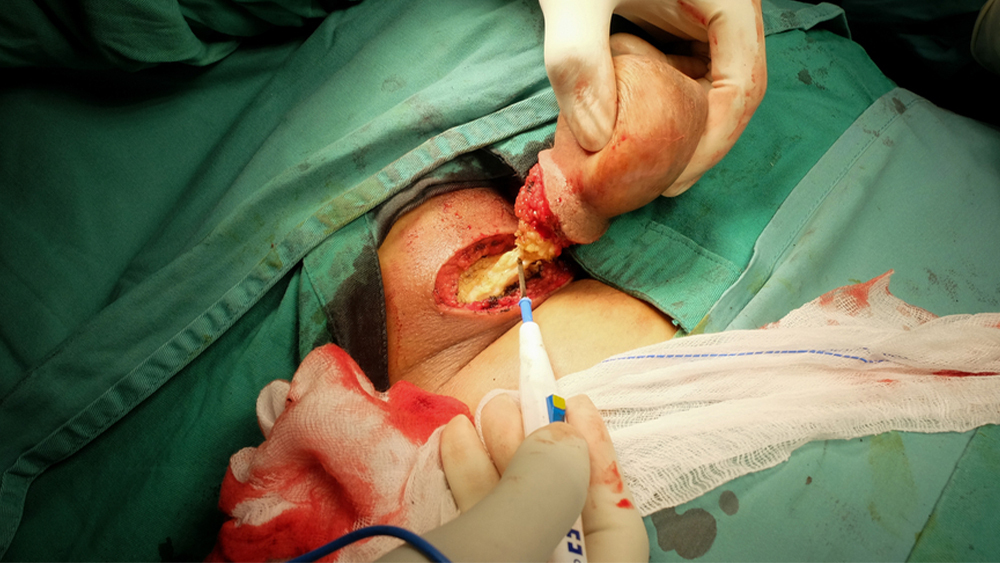
 Minor excision involves surgical removal of a lump in the skin, such as an epidermal cyst or just fat under the skin called a lipoma.While larger lesions requires that the surgery be done under general anesthesia minor excision is performed under local anaesthetic when the patient will be awake for the procedure. It is quite common to send a portion of the removed specimen for analysis.
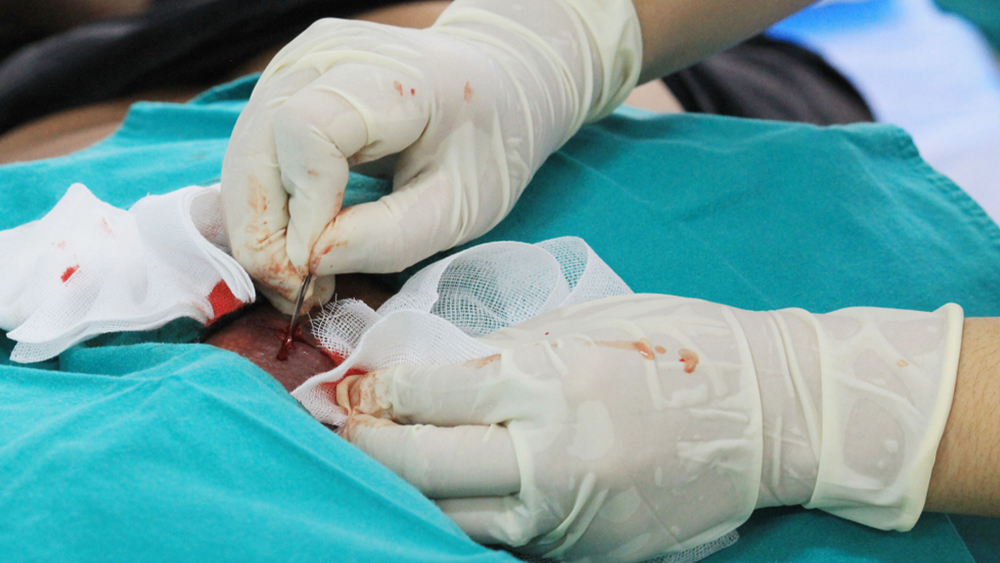 Abscess drainage is the treatment typically used to clear a skin abscess of pus and start the healing process. Smaller abscesses may not need to be drained to disappear
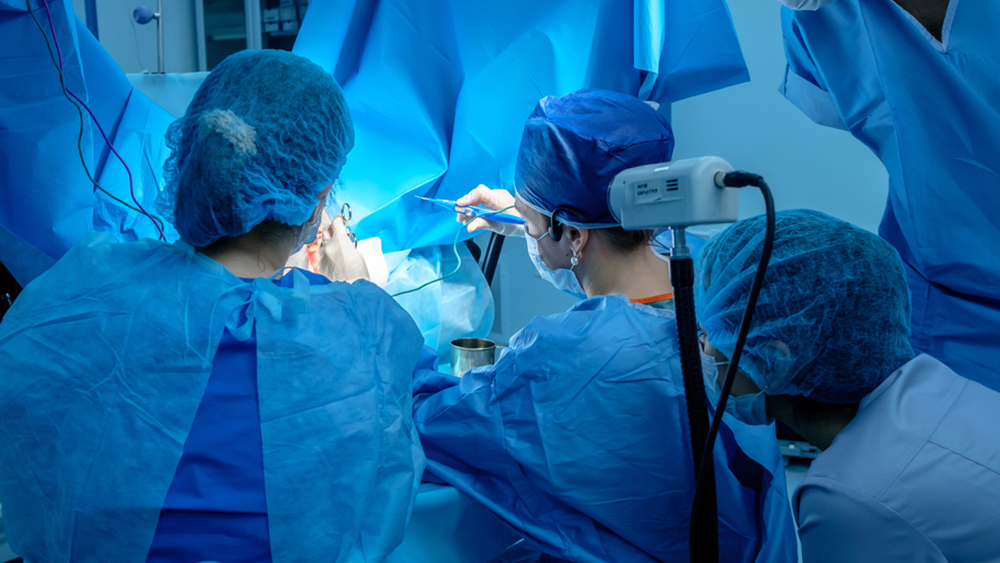 A hemorrhoidectomy is surgery to remove hemorrhoids, hemorrhoidectomy is a safe, effective treatment that doesn’t just make hemorrhoids easier to live with — it gets rid of them altogether
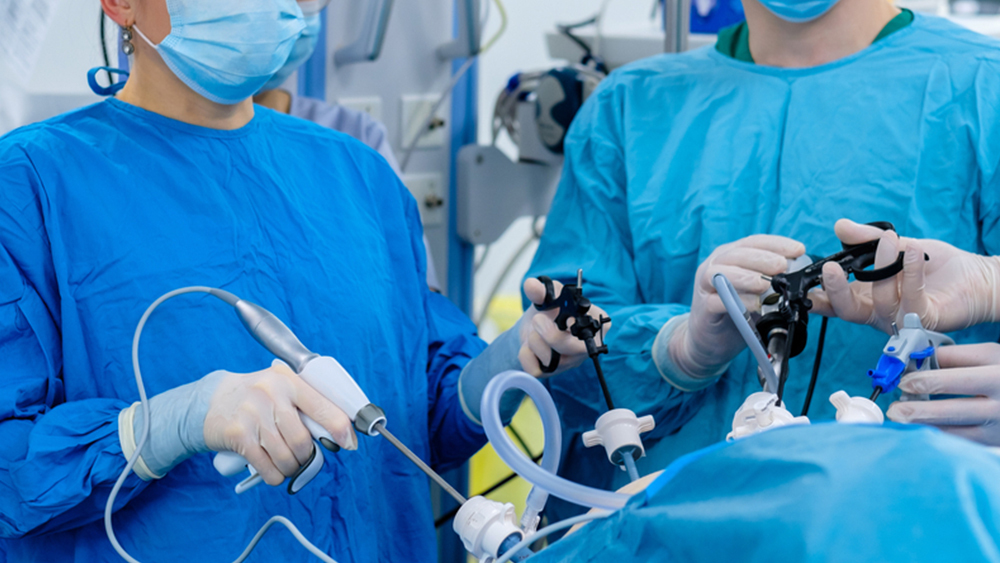 Fistulectomy is a surgical procedure where a fistulous tract is excised (cut out) completely. This is compared with fistulotomy, where the fistulous tract is merely laid open to heal. Fistulae are a feature of many diseases, but commonly fistulectomy refers to an operation for an anal fistula
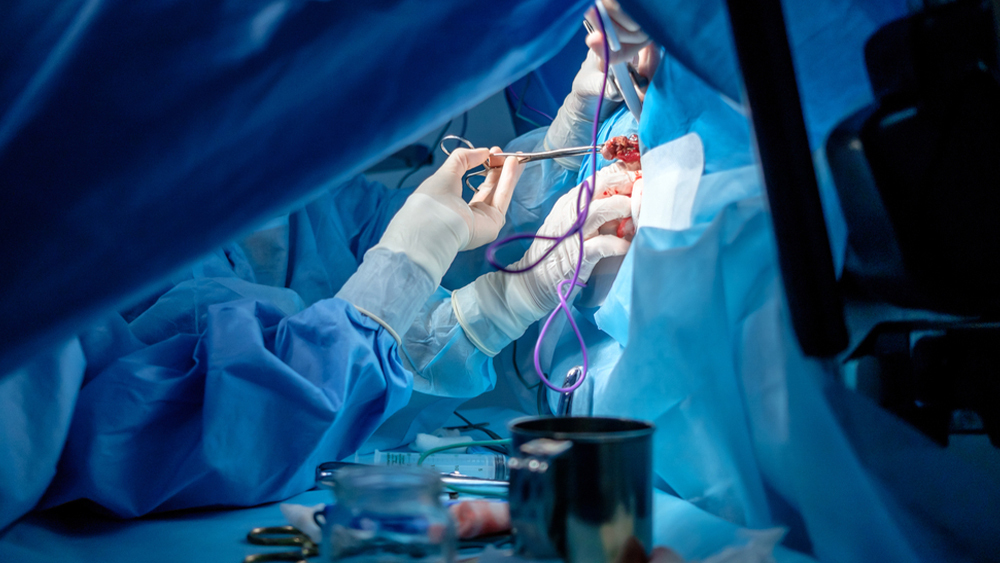 Sphincterotomy, also called a lateral internal sphincterotomy, is a type of procedure that is used to cut the anal sphincter. The anal sphincter is the group of muscles connected to the rectum, at the end of the digestive tract, through which bowel movements are passed.
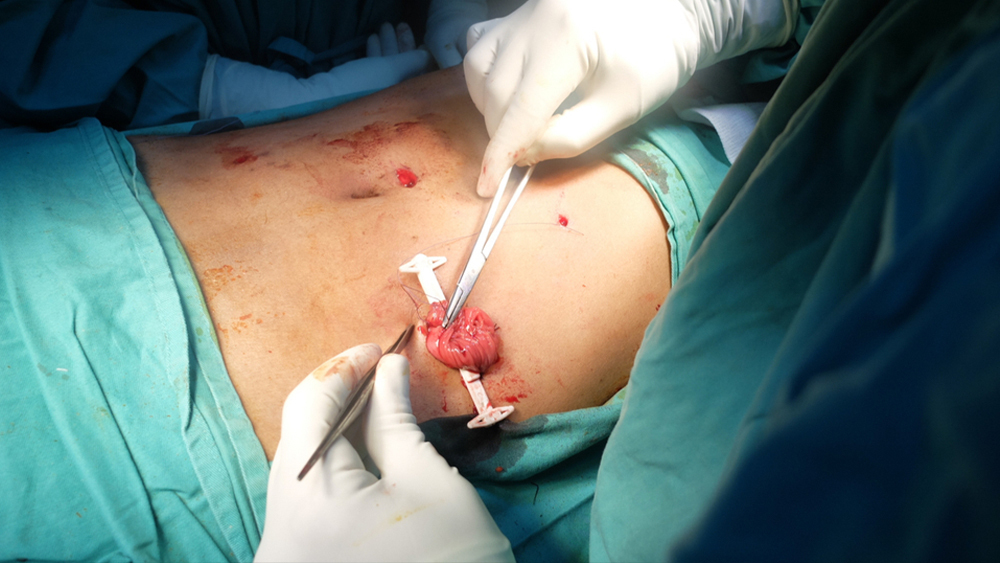 It is the surgical removal of the gallbladder done to remove gallstones causing pain or infection
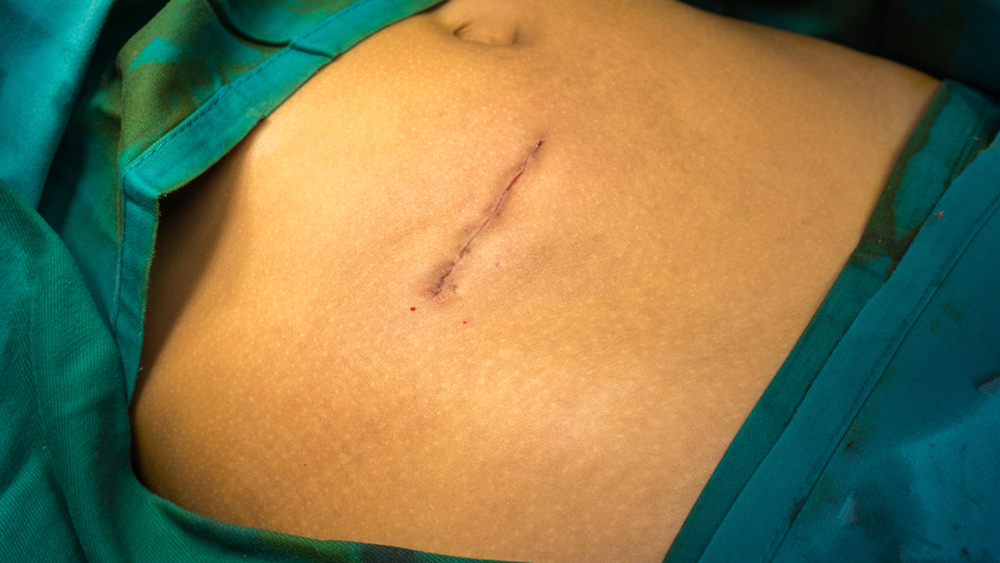 An appendectomy is surgery to remove the infected appendix. This condition is called appendicitis. Appendectomy is generally an emergency surgery.
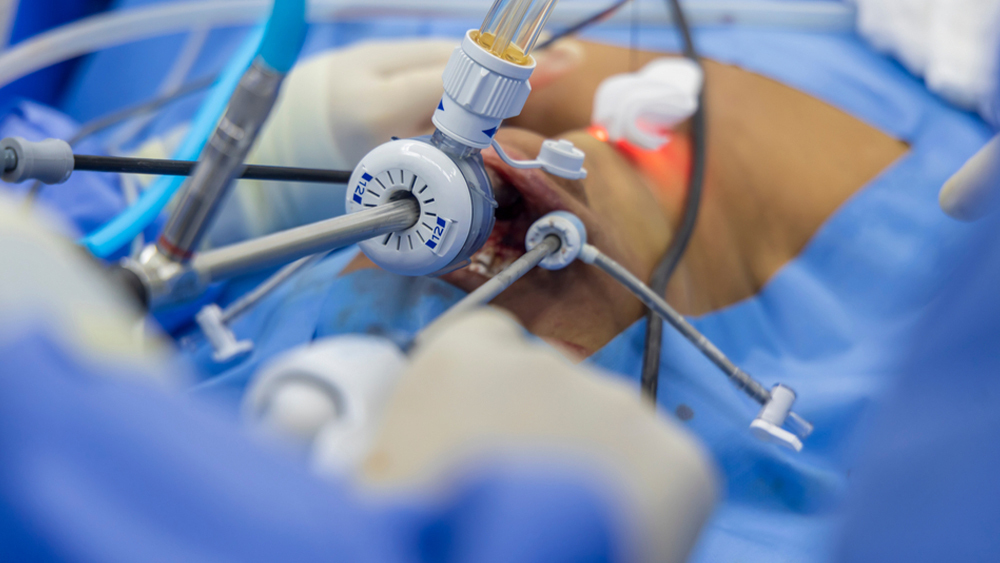 Thyroidectomy is the surgical removal of all or part of the thyroid gland. The thyroid is a butterfly-shaped gland located at the base of the neck. It produces hormones that control every aspect of the body’s metabolism, from your heart rate to how quickly the calories are burnt
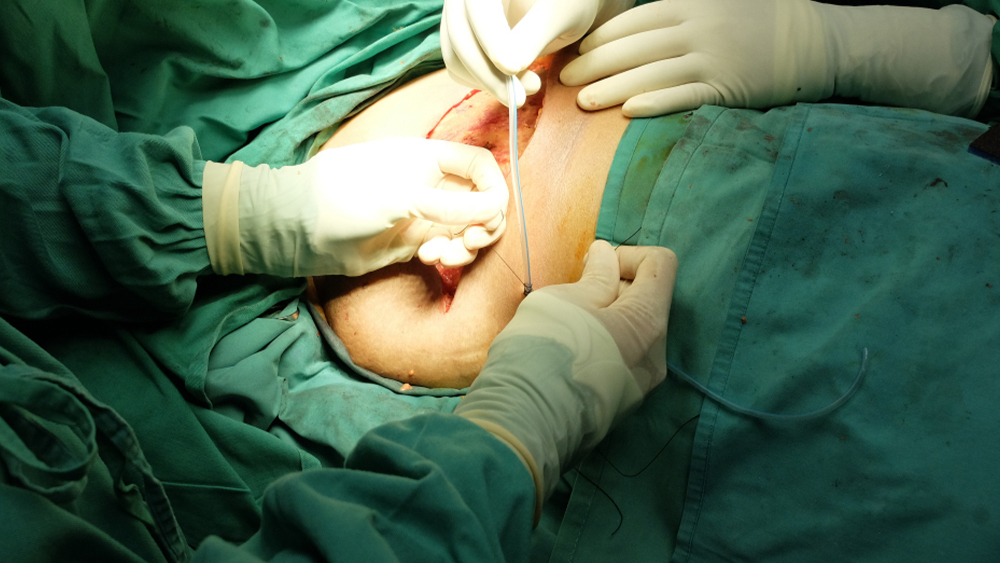 A mastectomy is surgery to remove all breast tissue from a breast as a way to treat or prevent breast cancer. In early-stage breast cancer, a mastectomy may be one treatment option. Lumpectomy or Breast-conserving surgery may be another option in which only the tumor is removed from the breast
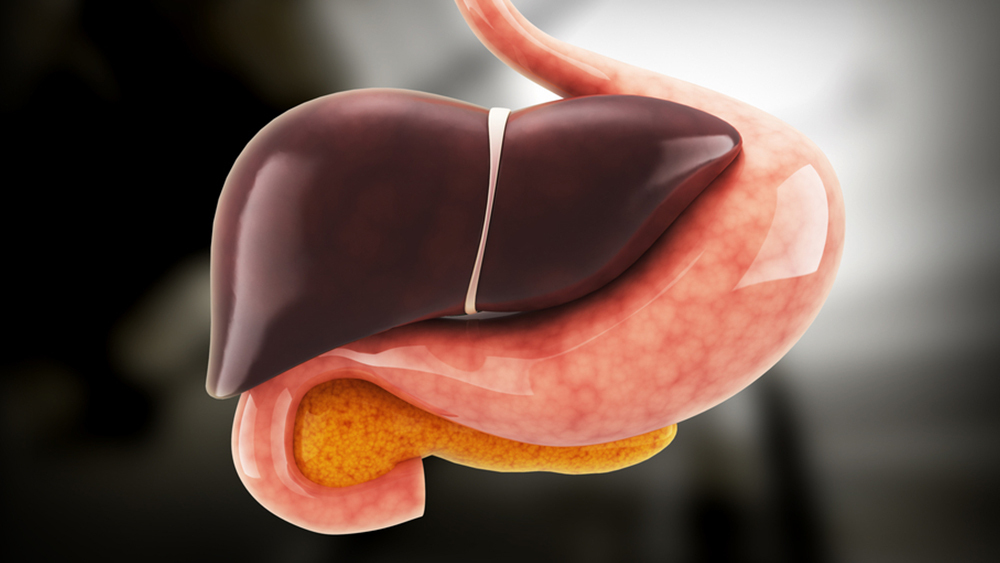 Common bile duct exploration is a procedure performed to check if a stone is blocking the flow of bile from the liver and gallbladder to the intestine. The procedure is done under general anesthesia.
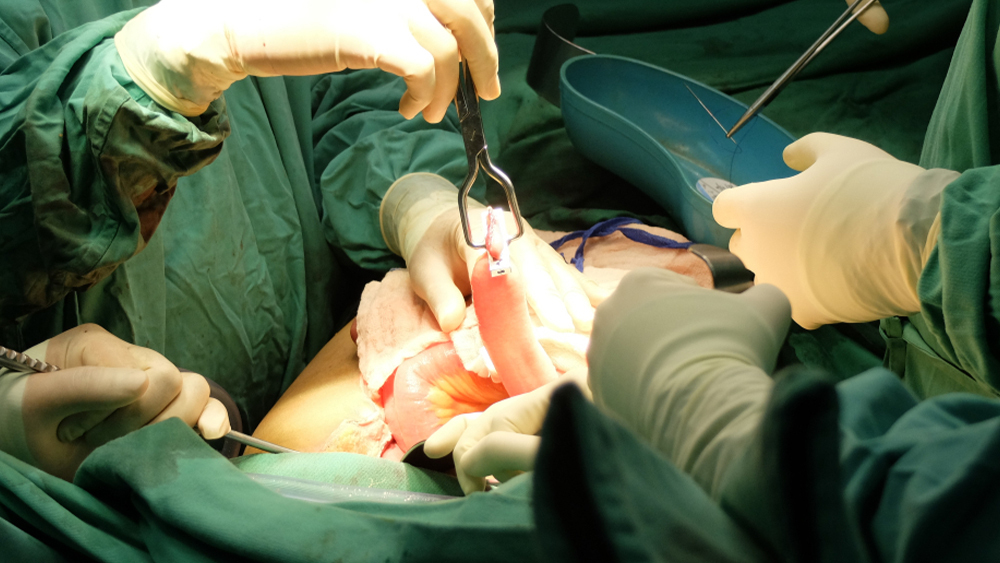 All intestinal resections and anastomoses Intestinal anastomosis is a surgical procedure performed to establish communication between two formerly distant portions of the intestine. This procedure restores intestinal continuity after removal of a pathologic condition affecting the bowel.
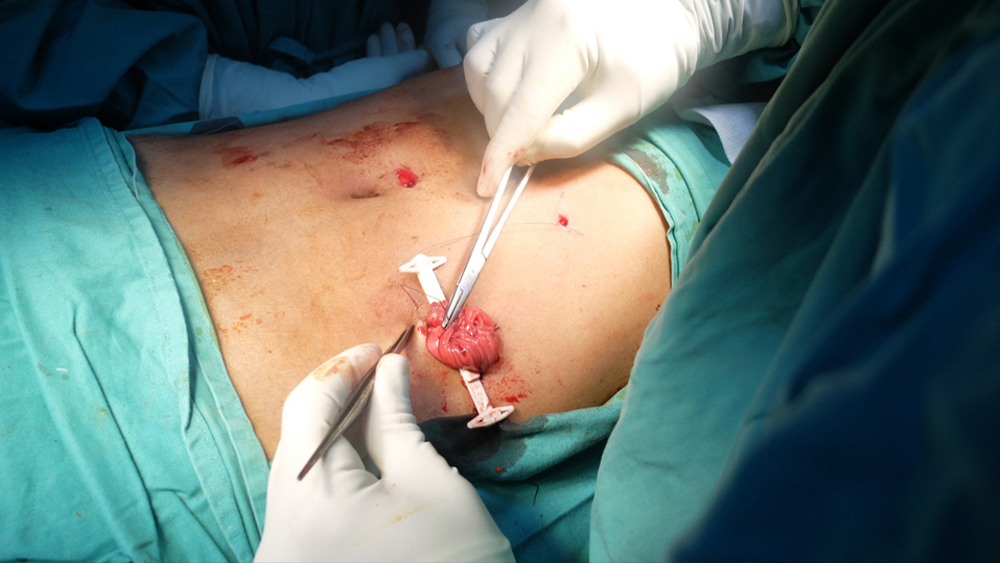 A colostomy is a surgical procedure that brings one end of the large intestine out through the abdominal wall. During this procedure, one end of the colon is diverted through an incision in the abdominal wall to create a stoma. A stoma is the opening in the skin where a pouch for collecting feces is attached.
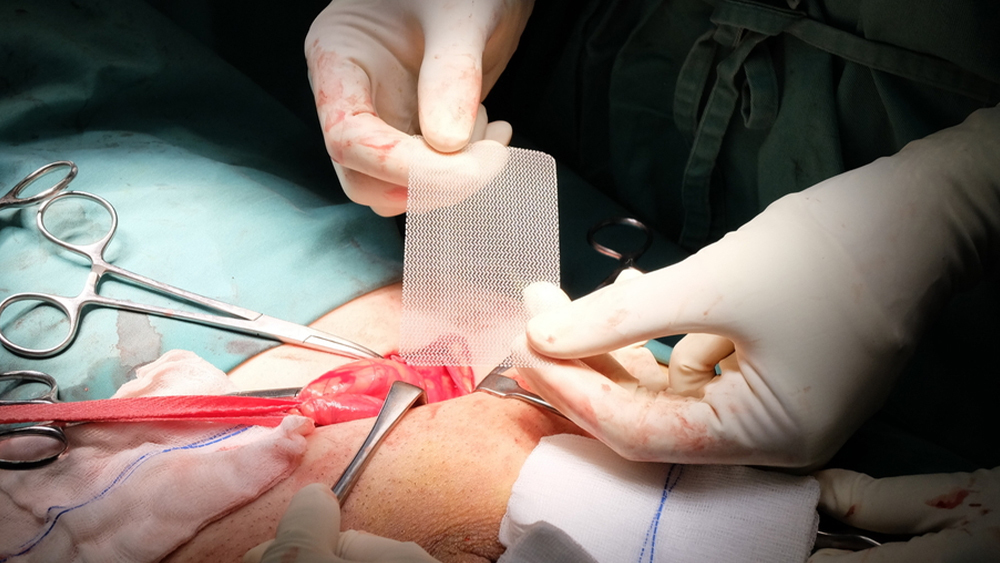 Hernia repair – inguinal, incisional
For open hernia repair surgery, a single long incision is made in the groin. If the hernia is bulging out of the abdominal wall (a direct hernia), the bulge is pushed back into place. If the hernia is going down the inguinal canal (indirect), the hernia sac is either pushed back or tied off and removed.The weak spot in the muscle wall—where the hernia bulges through—traditionally has been repaired by sewing the edges of healthy muscle tissue together (herniorrhaphy). This is appropriate for smaller hernias that have been present since birth (indirect hernias) and for healthy tissues, where it is possible to use stitches without adding stress on the tissue. But the surgical approach varies depending on the area of muscle wall to be repaired and the surgeon’s preference
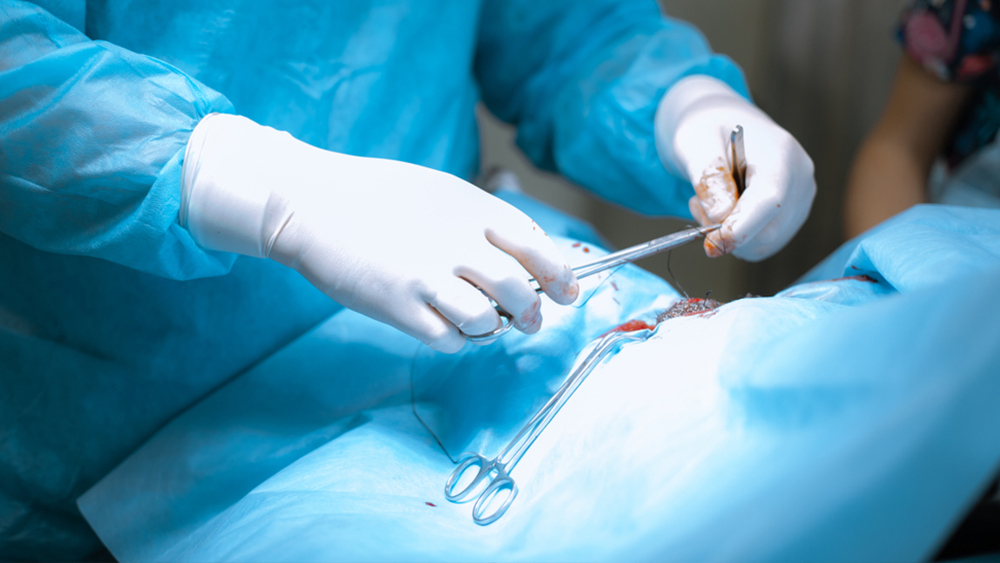 Gastrojejunostomy is a surgical procedure in which an anastomosis is created between the stomach and the proximal loop of the jejunum. This is usually done either for the purpose of draining the contents of the stomach or to provide a bypass for the gastric contents.
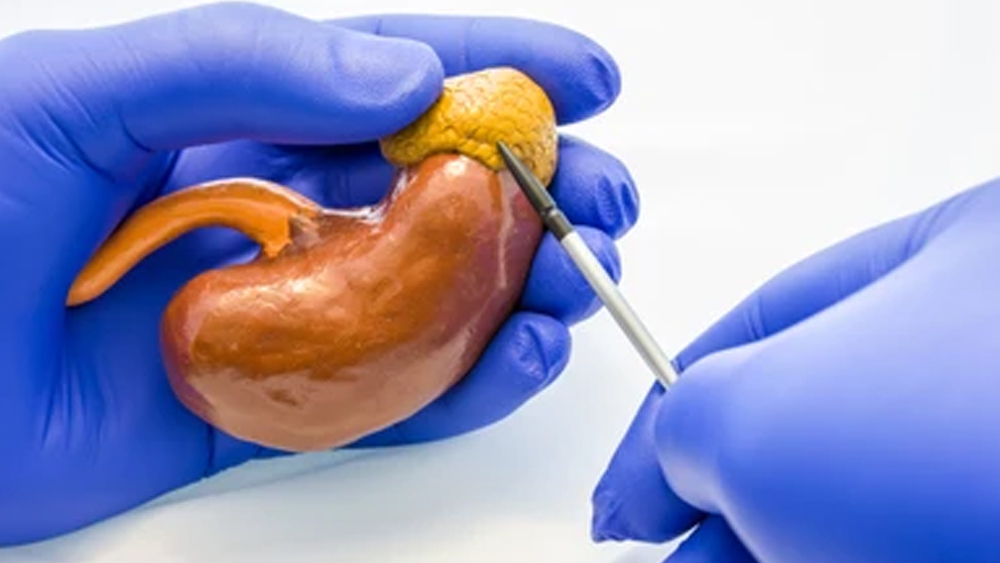 An adrenalectomy is surgery to remove one or both adrenal glands. There are a pair of adrenal glands one each above the kidneys. Your two adrenal glands produce various hormones that help regulate your metabolism, immune system, blood pressure, blood sugar and other essential functions.
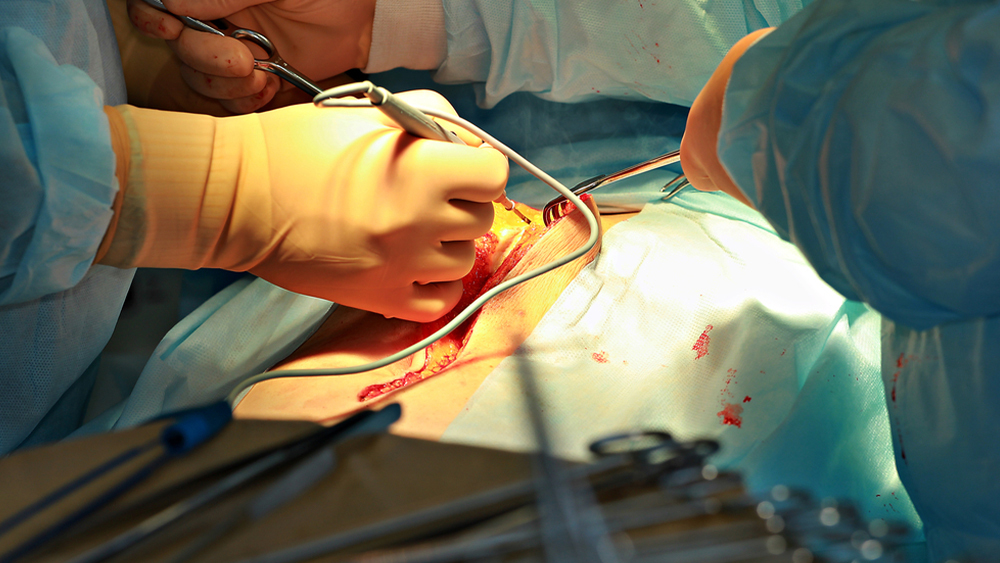 A gastrectomy is the surgical removal of all or part of the stomach. The stomach is a J-shaped organ in the upper abdomen. It is part of the digestive system, which processes nutrients ( vitamins, minerals, carbohydrates, fats, proteins, and water) in foods that are eaten and helps pass waste material out of the body.
 Amputation is the surgical removal of all or part of a limb or extremity such as an arm, leg, foot, hand, toe, or finger. About 1.8 million Americans are living with amputations. Amputation of the leg — either above or below the knee — is the most common amputation surgery.
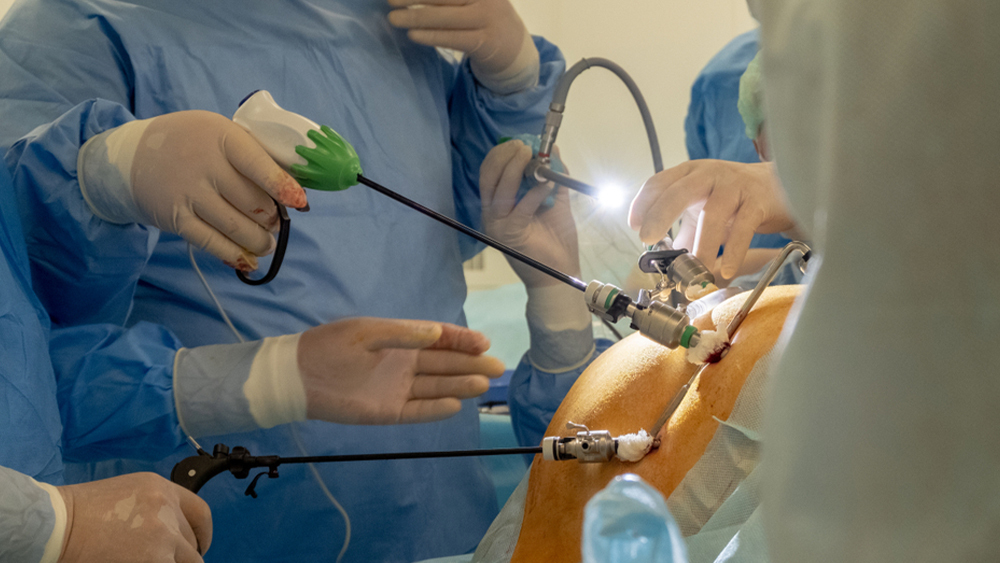 Diagnostic laparoscopy is a surgical diagnostic procedure using a laparoscope, a long, thin tube with a high-intensity light and a high-resolution camera in front. It’s a low risk, minimally invasive procedure requiring only small incisions. It allows a doctor to examine the organs inside the abdomen.
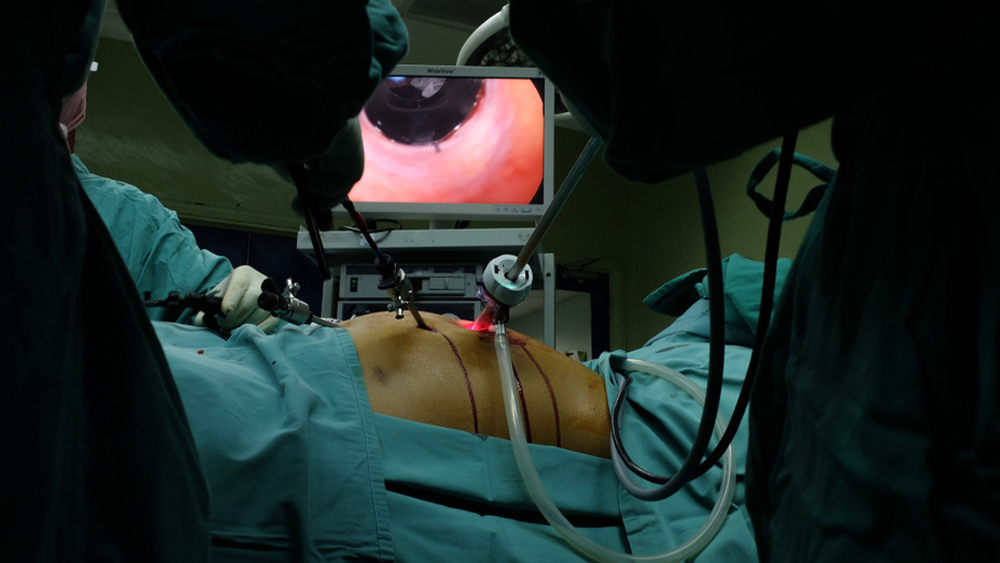 Laparoscopic adhesiolysis, also known as keyhole surgery, is a procedure done using laparoscopy to remove adhesions by either cutting them off by scalpel or by using electric current. Laparoscope helps in clear visualization and magnification of the adhesions and the affected organs.
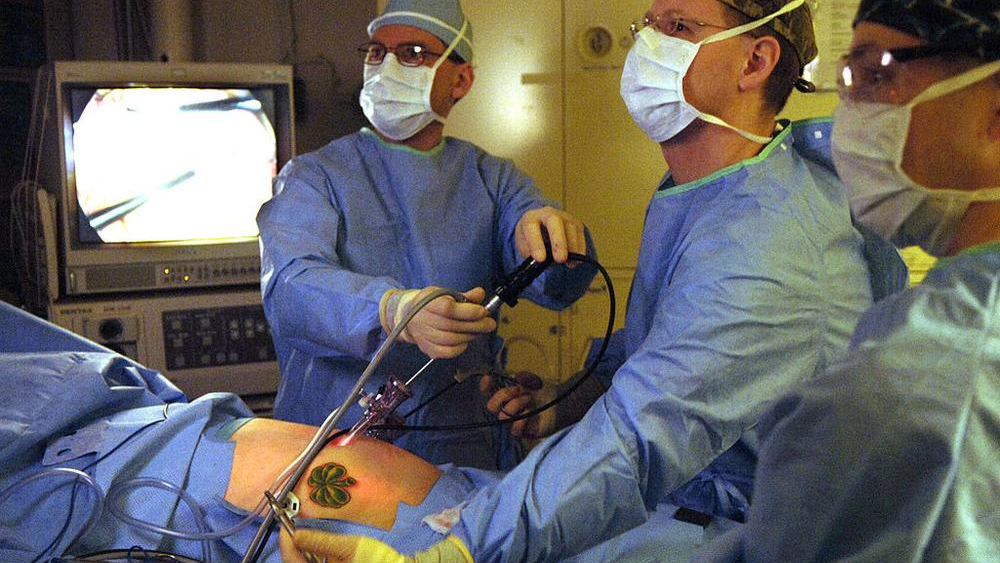 Laparoscopic appendectomy is a surgical procedure done using laparoscopy to remove the appendix. The procedure is done when the appendix is inflamed. The surgery cures appendicitis, which when left untreated may rupture or burst open & cause serious illness.
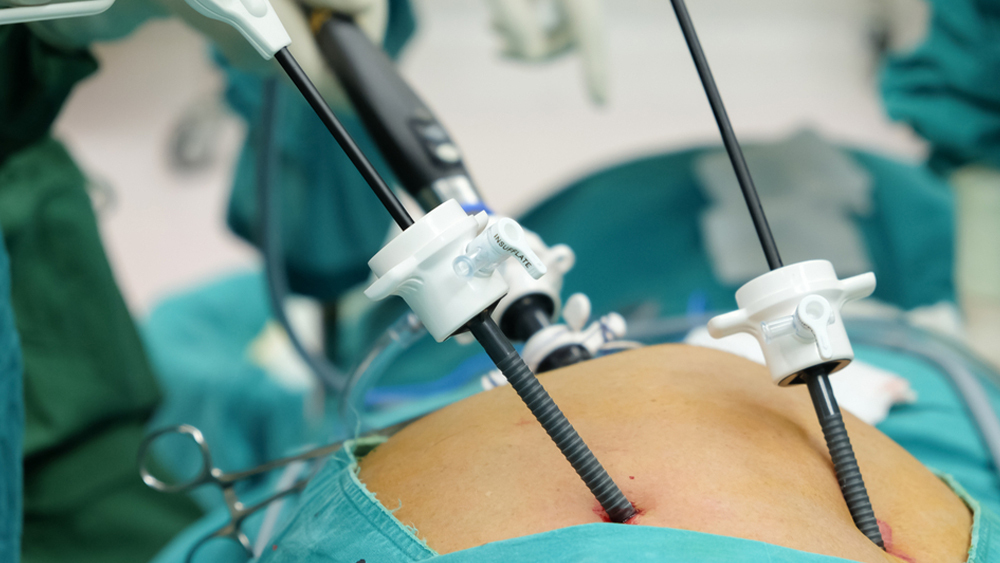 Laparoscopic Cholecystectomy is a minimally invasive surgery done to remove the gallbladder. It is done for people gallstones cause inflammation, pain or infection.
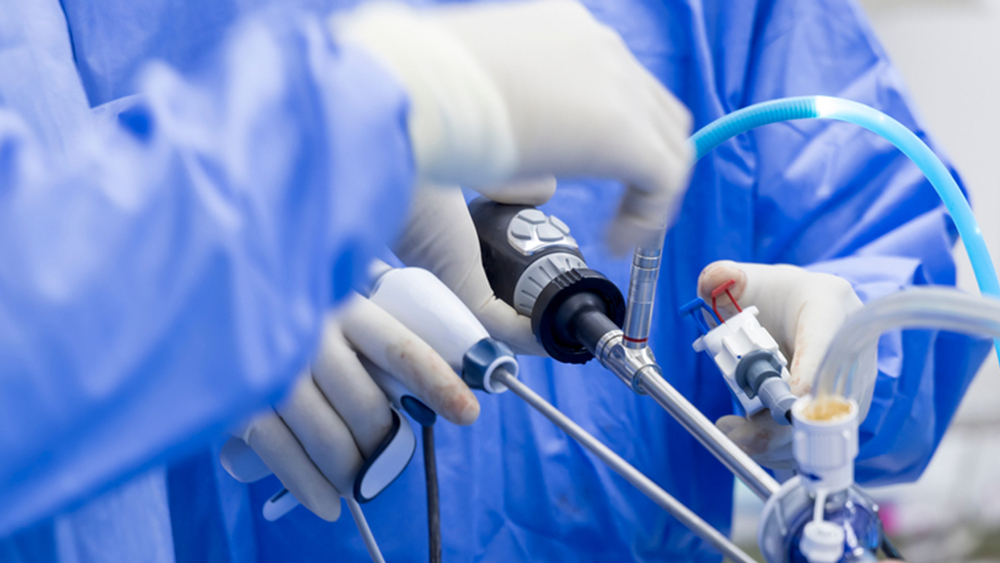 Laparoscopic Sterilization is a procedure that provides permanent birth control. In this surgery, the fallopian tubes are either obstructed or removed, preventing any future pregnancies.
 Laparoscopic ovarian cystectomy is a surgical procedure in which a laparoscope is used to remove a cyst from the ovary only using a few small incisions in the lower abdomen.
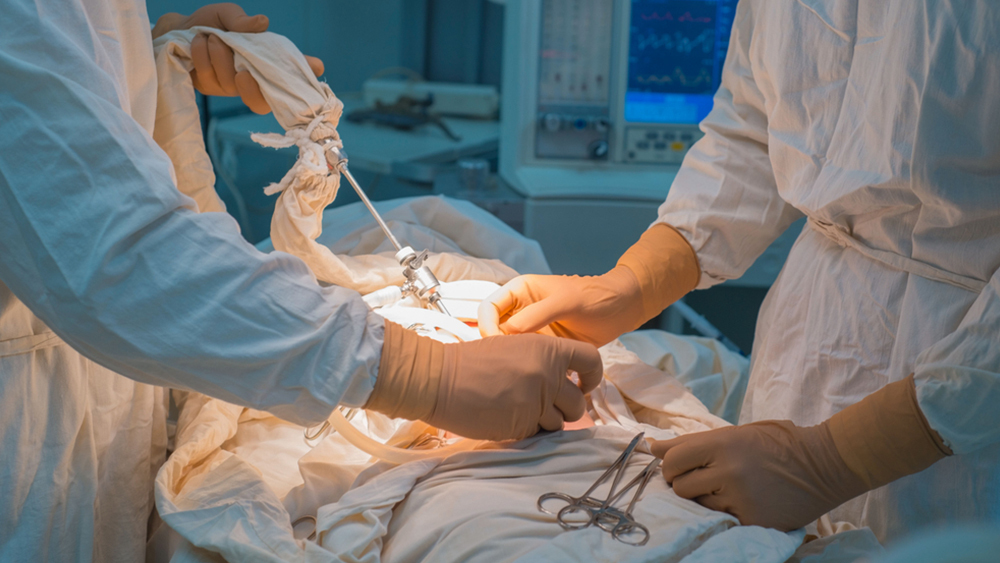 Similar to other laparoscopic procedures a thin, lighted scope called a laparoscope is inserted through the incision. The tools to repair the hernia are inserted through other small incisions in the lower belly. Mesh may be placed over the defect to reinforce the belly wall. Or the edges of healthy tissue may be sewn together.
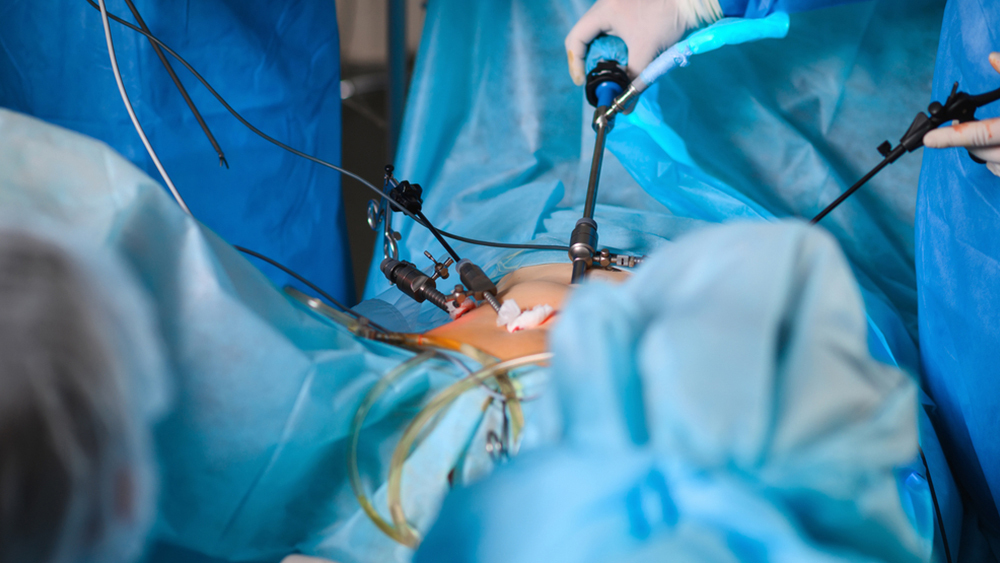 The procedure involves the placement of a mesh inside the abdomen without abdominal wall reconstruction. The mesh is fixed with sutures, staples, or tacks. The recurrence rate of laparoscopic repair is reported as equal to or less than that of open repair.
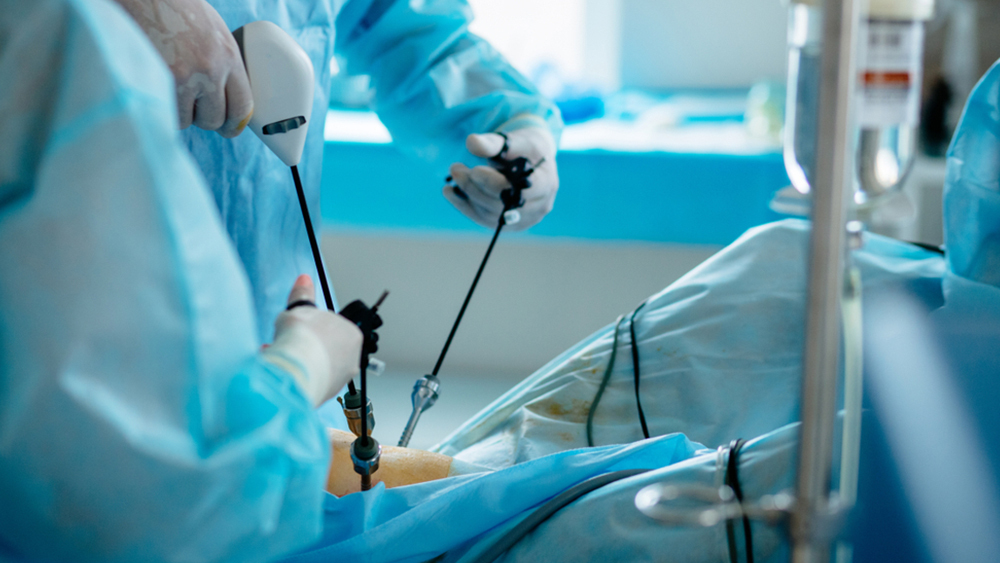 Laparoscopic fundoplication is a laparoscopic surgical procedure done to strengthen the valve between the esophagus and stomach (lower esophageal sphincter) by wrapping the fundus around the esophagus and sewing into place so that the lower portion of the esophagus passes through a small tunnel of stomach muscle. This surgery stops acid from coming back into the esophagus thus making sure that it heals.
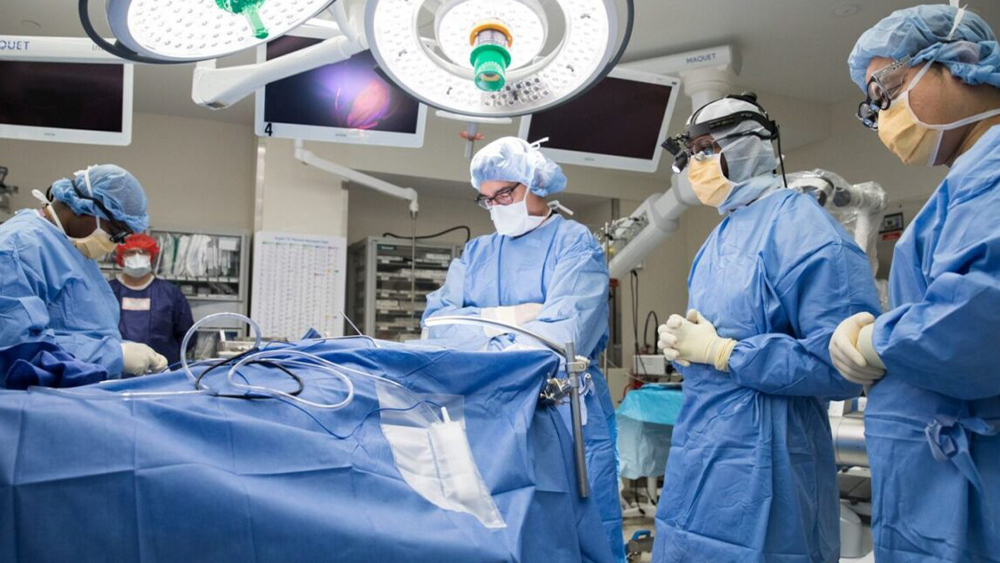 Laparoscopic varicocelectomy is a laparoscopic surgery to repair swelling of veins in the scrotum. The swelling is called varicocele caused due to blood backing up in the veins. A varicocele can cause pain or a heavy feeling in the scrotum but is usually painless although it may cause fertility problems.
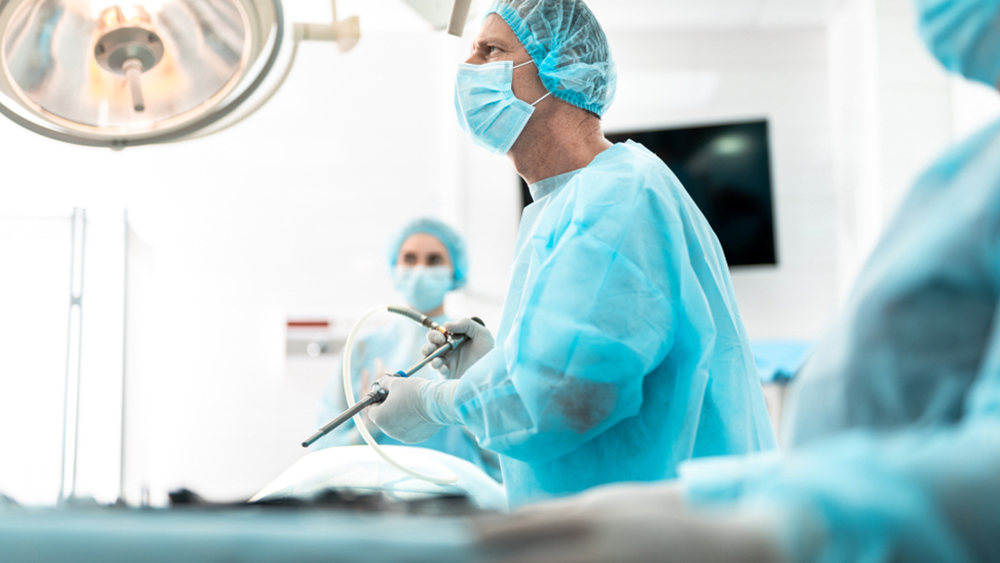 Laparoscopic CBD exploration (LCBDE) is a cost effective, efficient and minimally invasive method of treating choledocholithiasis. This is laparoscopic Surgery for common bile duct stones (CBDS)
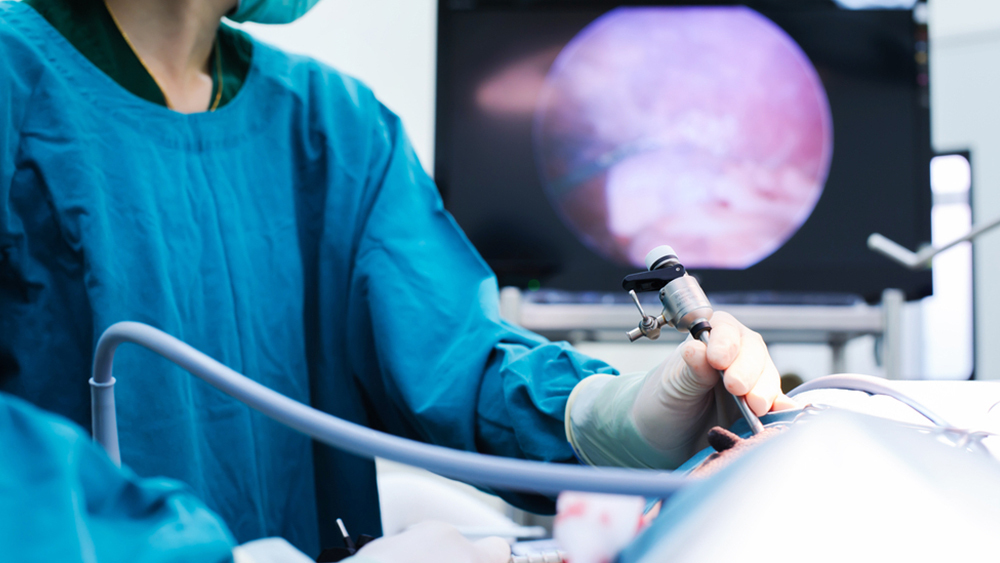 An undescended testicle is usually corrected with surgery. The surgeon carefully manipulates the testicle into the scrotum and stitches it into place (orchiopexy). This procedure can be done either with a laparoscope or with open surgery.
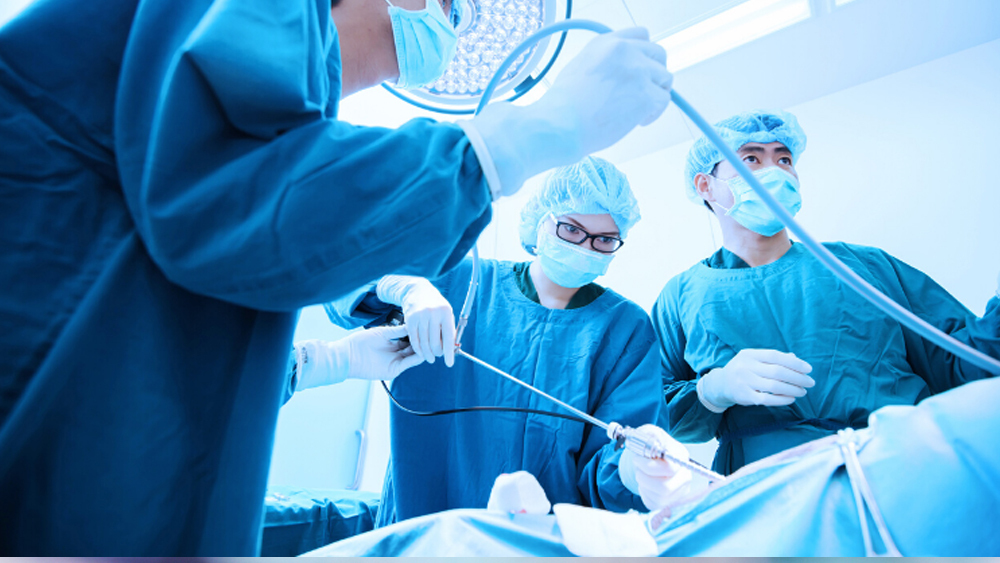 Hernia repair – inguinal, incisional
Laparoscopic rectopexy is a surgical procedure used to repair a rectal prolapse. During this surgery, the rectum is restored to its normal position in the pelvis, so that it no longer protrudes through the anus. Stitches are then used to secure the rectum, along with mesh.
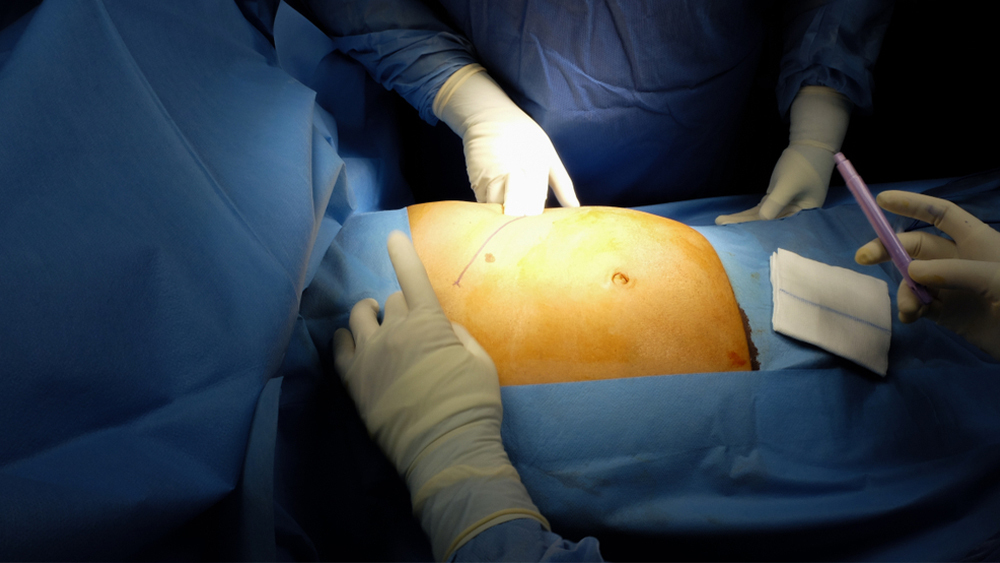 Laparoscopic splenectomy is a surgical procedure to remove the spleen, an organ that sits under the rib cage on the upper left side of the abdomen
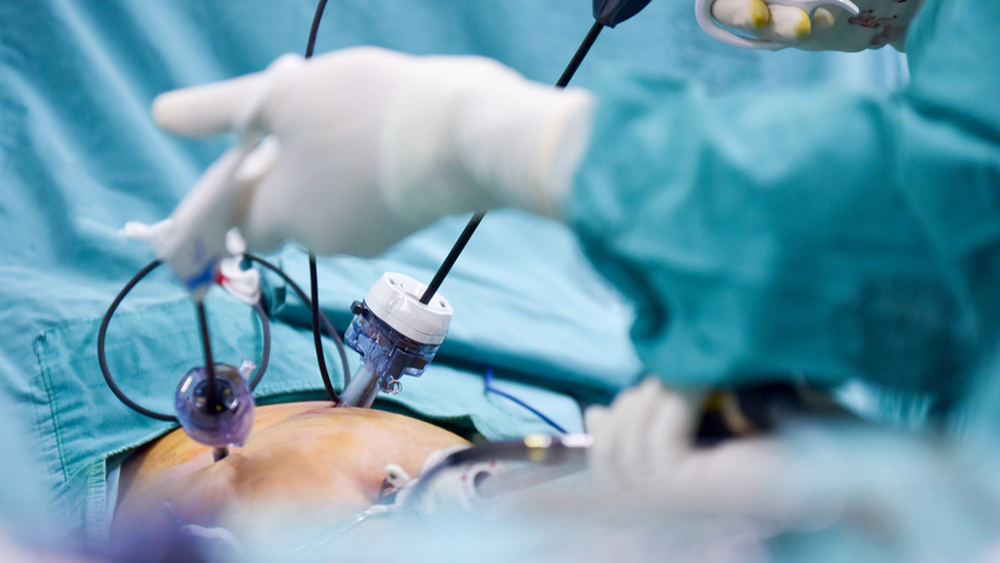 Laparoscopic hemicolectomy is a surgical procedure that involves removing a segment of the colon. A surgeon performs a hemicolectomy to treat colon cancer and bowel diseases, such as Crohn’s disease or severe diverticulitis.
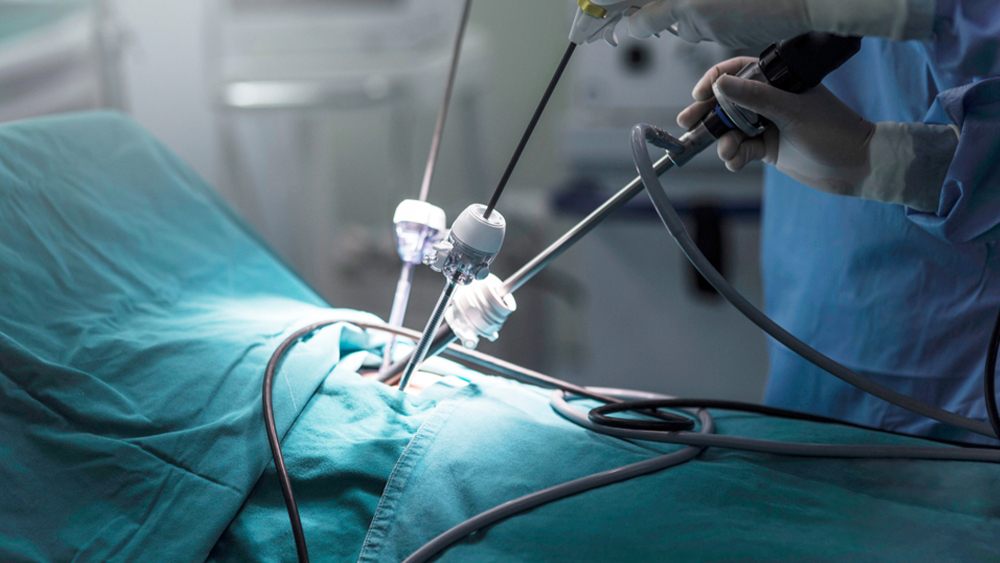 Single Incision Laparoscopic Surgery is a surgery involving a single incision near the belly button compared to 3 or more incisions in usual laparoscopic surgeries. It’s done mostly for appendix, gallbladder removal etc and the incision is easily hidden resulting in scar less surgery.
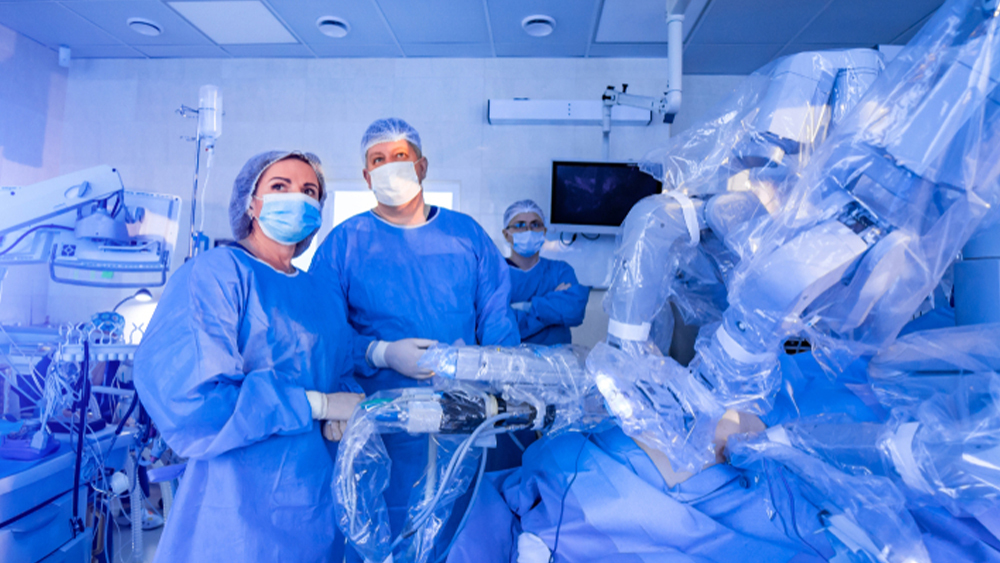 Robotic surgery is surgery that is robotically assisted to enhance the capabilities of the surgeon. Minimally invasive robotic surgeries can be performed in two ways either by using a telemanipulator or through computer control.
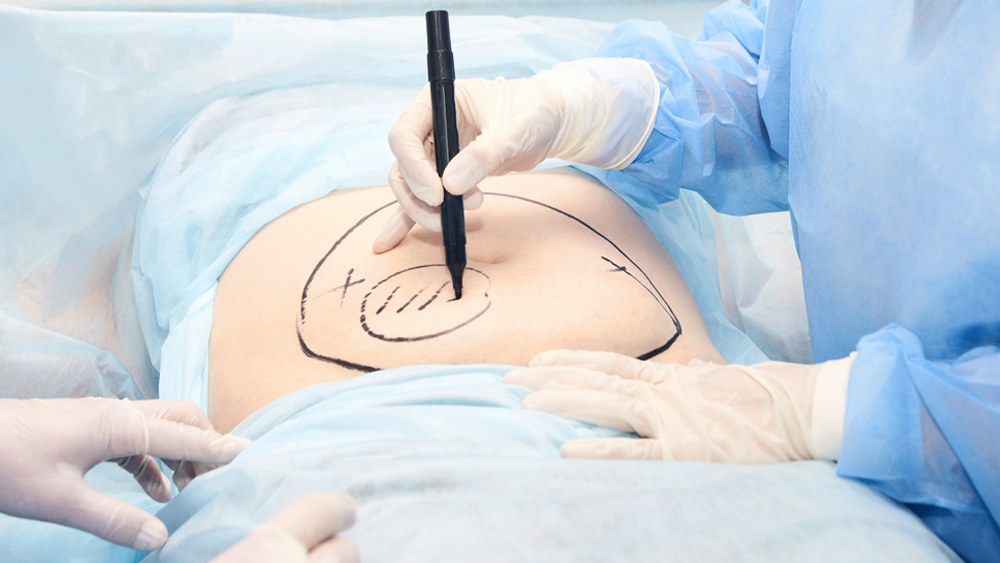 Abdominal wall reconstruction is a surgical procedure where a surgeon reshapes the abdominal tissues by carefully separating all the layers of the abdominal wall and sliding them into their natural position.These structures may be reinforced using surgical mesh to support & strengthen the abdominal muscles.
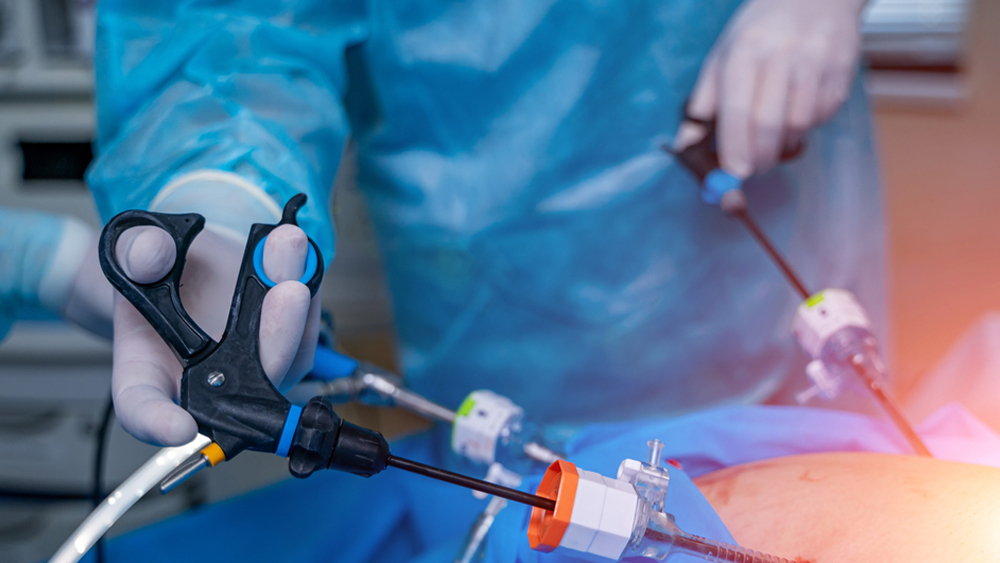 Bariatric surgery consists of different surgical procedures including gastric band,
gastric bypass & sleeve gastrectomy all of which are meant for people with obesity.
It is done for long term weight loss, reversing type 2 diabetes & reducing the risk
of cardiovascular disease.